
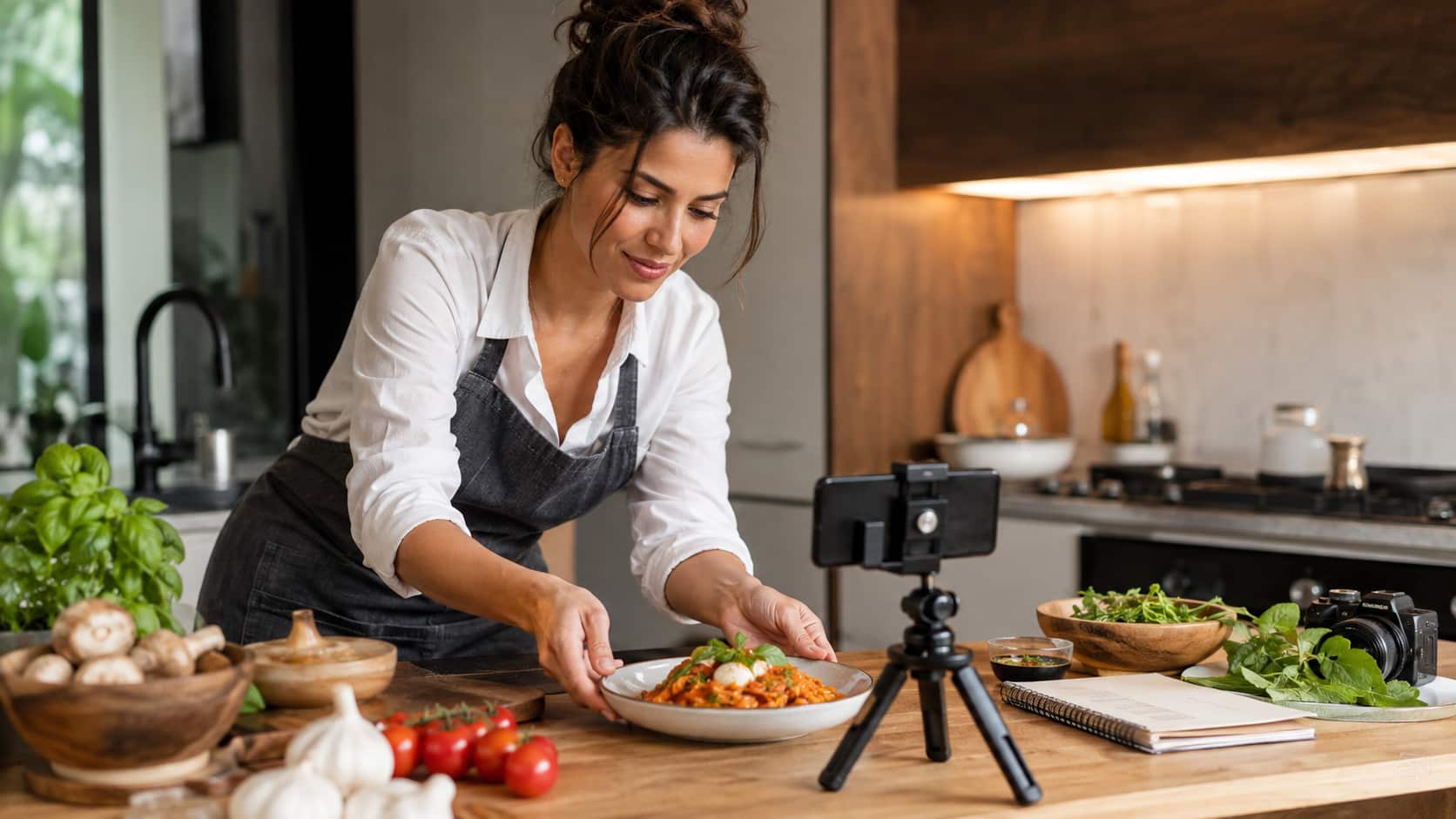
You can become a food content creator in 2026 by choosing a clear food niche, publishing helpful recipes or cooking videos, building an engaged audience, and creating direct ways for people to support your work. You do not need a professional kitchen or millions of followers. A smartphone, consistent content, practical knowledge, and a realistic monetization plan are enough to begin.
The strongest creators do more than publish attractive food photos. They solve problems, teach useful skills, entertain viewers, and build trust. That trust can eventually support income through subscriptions, tips, premium recipes, digital products, live cooking sessions, affiliate partnerships, and personalized services.
What Is a Food Content Creator?
A food content creator produces digital content related to cooking, recipes, ingredients, restaurants, nutrition, food culture, or culinary experiences. This content may appear as short videos, long-form tutorials, photographs, written recipes, live streams, newsletters, podcasts, or downloadable guides.
Unlike a traditional chef whose work may happen mainly inside a professional kitchen, a culinary content creator combines food knowledge with storytelling, filming, editing, publishing, and audience engagement. The creator’s personality, presentation style, and ability to explain food clearly can be just as important as the recipe itself.
The terms food influencers, foodie influencers, and food creators are often used interchangeably, but their focus can differ. Some creators primarily teach cooking, while others review restaurants, explore food destinations, test products, explain nutrition, or entertain audiences through food challenges.
Why Do Many Food Creators Struggle to Earn?
Many creators generate views and engagement without building a clear path from attention to income. They may publish consistently but depend entirely on social-media algorithms, platform advertising, or occasional sponsorships.
Common challenges include:
- Creating quality content without receiving meaningful income
- Depending on unpredictable algorithms for visibility
- Getting views and likes without generating sales
- Waiting for brands to offer sponsorships
- Not knowing how to price recipes or digital products
- Managing content, payments, and conversations across several platforms
- Believing that monetization is possible only after gaining a large following
- Lacking a direct relationship with loyal followers
The problem is not always content quality—it is often the monetization model. Creators who rely on only one revenue source can experience inconsistent income. A better approach is to connect free content with several relevant paid offers.
Creators who want to understand the broader process can explore these content monetization strategies before deciding which income streams best match their audience.
How Do Food Influencers Make Money in 2026?
If you are wondering how do food influencers make money, the answer is that most successful creators combine multiple revenue streams. The right combination depends on the creator’s niche, audience, content format, and level of expertise.
1. Subscriptions and Memberships
Fans can pay a monthly or annual fee for exclusive recipes, detailed meal plans, private content, early access, behind-the-scenes videos, or community membership.
Subscriptions can provide recurring income, but creators must continue offering useful content that gives members a reason to stay.
2. Tips and Direct Support
Followers may send tips after watching a helpful tutorial, attending a live stream, or enjoying a recipe. Tips allow people to support a creator without committing to a subscription.
A clear call to action can help viewers understand that tipping is available. However, creators should continue making the free content valuable rather than treating every post as a sales pitch.
3. Pay-Per-View Content
Pay-per-view content allows viewers to unlock a specific tutorial, recipe collection, cooking demonstration, or premium guide with a one-time payment.
This model can work well for detailed content such as advanced baking techniques, festival menus, restaurant-style recipes, or specialized meal plans.
4. Live Cooking Sessions and Workshops
Creators can host paid cooking classes where viewers cook along, ask questions, and receive real-time guidance. Workshops can cover topics such as bread making, cake decoration, regional cuisine, meal preparation, or beginner cooking skills.
A live session should have a clear outcome so participants understand exactly what they will learn before they book.
5. Digital Products
Digital products may include recipe eBooks, meal-preparation calendars, shopping lists, ingredient substitution guides, cooking checklists, or video courses.
These products can be created once and sold repeatedly, although creators should update them when information, pricing, or dietary guidance changes.
6. One-to-One Sessions
Creators with suitable experience can offer personalized cooking lessons, menu-planning sessions, recipe development, kitchen organization advice, or content guidance for aspiring food creators.
When discussing nutrition, allergies, or medical diets, creators should stay within their qualifications and avoid presenting general food content as professional medical advice.
7. Affiliate Marketing and Brand Partnerships
Food creators can earn commissions by recommending cookware, appliances, ingredients, books, or other products they genuinely use. Brands may also pay creators to develop sponsored recipes or feature products.
Creators should clearly disclose paid relationships, free products, and other material connections. The FTC’s influencer disclosure guidance explains how sponsorship disclosures should be presented when content may affect consumers in the United States.
8. Advertising Revenue
Eligible creators may earn advertising revenue from platforms such as YouTube. Advertising can become an additional income stream, but eligibility rules, revenue, and reach can change.
For that reason, advertising is generally more reliable as one part of a broader business model rather than the creator’s only source of income.
Step-by-Step: How to Become a Food Content Creator in 2026
Learning how to become a food content creator becomes easier when you divide the process into clear, manageable steps.
Step 1: Choose a Specific Food Niche
“Food” is a broad category. A specific niche makes your content easier to understand, remember, and recommend.
Possible niches include:
- South Indian home cooking
- Budget meals for students
- High-protein vegetarian recipes
- Beginner-friendly baking
- Quick meals for working professionals
- Traditional family recipes
- Street-food reviews
- Restaurant reviews in a specific city
- Vegan desserts
- Healthy lunch-box ideas
- Food photography and styling
- Regional food history and storytelling
Your niche should connect three things: what you know, what you enjoy creating, and what your target audience wants.
For example, “Indian recipes” is broad, while “high-protein Indian meals for busy professionals” gives the audience a clearer reason to follow you.
Step 2: Understand Your Target Audience
Decide whom you want to help or entertain. Your audience might include college students, parents, beginner cooks, fitness enthusiasts, travelers, food lovers, or people living away from their home country.
Ask these questions:
- What food problems do they experience?
- What recipes are they searching for?
- How much time do they have to cook?
- What is their approximate budget?
- Which platforms do they use?
- Do they prefer quick videos, detailed tutorials, or written recipes?
- What premium content might save them time or improve their skills?
Audience research helps you create useful content instead of publishing random recipes and hoping they perform well.
Step 3: Select Your Main Content Platforms
Begin with one or two discovery platforms rather than trying to manage every channel at once.
Instagram Reels and YouTube Shorts work well for short, visual demonstrations. YouTube is useful for detailed recipes, comparisons, kitchen tutorials, and longer storytelling. A blog can attract people searching for recipes and cooking information through search engines.
Your selected platform should match both your content style and the way your audience prefers to consume information.
Step 4: Set Up Basic Equipment
You do not need an expensive camera to begin. A modern smartphone, a stable tripod, clean natural light, and an uncluttered cooking area can produce effective content.
Your starter setup may include:
- A smartphone with a reliable camera
- A phone tripod or overhead mount
- Natural window light or an affordable LED light
- A basic microphone for voiceovers
- Plain plates, boards, and backgrounds
- Simple editing software
- Clean storage for raw footage and finished files
Clear visuals, understandable audio, and accurate instructions matter more than expensive equipment.
Step 5: Create a Sustainable Publishing Schedule
Consistency is easier when your schedule matches the time and resources you actually have. Avoid committing to daily content if it makes quality difficult to maintain.
A practical weekly plan might include:
- Three short recipe or food videos
- One detailed tutorial
- One recipe card or educational post
- One behind-the-scenes update
- One audience poll or question
- One promotional post for a premium offer
Batch production can save time. For example, you can plan three recipes together, purchase ingredients once, film them on the same day, and edit the videos during the week.
Step 6: Apply Effective Food Content Creation Tips
Strong food content should make the viewer hungry, curious, or confident enough to try the recipe.
Useful food content creation tips include:
- Show the final dish near the beginning
- Use a clear hook in the opening seconds
- Film important textures and cooking stages closely
- Keep the preparation area clean
- Use readable on-screen measurements
- Explain important substitutions
- Remove unnecessary pauses
- Record natural cooking sounds when appropriate
- Use captions for viewers watching without sound
- End with one clear action for the viewer
For longer videos, review where people stop watching, replay sections, or remain engaged. YouTube explains how its audience-retention report can help creators identify strong moments and areas that may need improvement.
Step 7: Build Trust Before Selling
People are more likely to purchase when they already understand the value of your content. Publish enough free material to demonstrate your expertise, style, and reliability.
Respond to relevant questions, correct mistakes transparently, and avoid exaggerating results. If a recipe requires a specific technique or ingredient, explain it clearly instead of hiding important information only to push a paid product.
A strong free-to-paid structure may look like this:
- Free short video: quick overview of the recipe
- Free detailed post: ingredients and basic steps
- Paid tutorial: complete technique, substitutions, troubleshooting, and printable recipe
- Subscription: regular premium recipes, workshops, and member access
Food Content Ideas for New Creators
If you need practical food content ideas, begin with topics that answer common questions or offer a clear outcome.
Examples include:
- “What I eat in a day” with clearly explained portions
- Ten-minute dinner ideas
- One ingredient used in three recipes
- Budget meals under a defined amount
- Restaurant-style dishes made at home
- Beginner mistakes when making a popular dish
- Family recipes and the stories behind them
- Regional ingredient guides
- Seasonal or festival menus
- Lunch-box ideas for children or adults
- Meal-preparation routines
- Grocery-shopping challenges
- Blind taste tests
- Kitchen tool comparisons
- Behind-the-scenes food photography
- Recreating a viral recipe
- Cooking without a specific appliance
- Ingredient substitutions
- Leftover transformation recipes
- Live cook-along sessions
Combine evergreen topics with timely trends. Evergreen recipes can continue attracting searches, while trends may help introduce your work to new viewers.
How to Monetize Food Content Without a Huge Following
You do not need millions of followers to monetize food content. Audience size is only one factor. Trust, relevance, purchasing intent, pricing, and the usefulness of your offer also influence results.
A smaller audience may support a focused product when it solves a specific problem. For example, a creator specializing in affordable gluten-free baking could sell a detailed beginner guide to followers who already rely on their recipes.
Start with one simple paid offer rather than creating several products at once. Test whether people are interested, collect feedback, improve the offer, and then expand.
Suitable starter offers include:
- A themed recipe bundle
- A one-hour live workshop
- A monthly recipe membership
- A meal-preparation guide
- A premium cooking tutorial
- A personalized cooking lesson
There is no guaranteed follower count, timeline, or price that produces income. Results depend on the creator, audience, offer, promotion, location, and consistency.
Practical Ways to Sell Recipes Online
If you want to sell recipes online, package them as clear digital products rather than uploading isolated instructions without context.
1. Recipe eBooks
Combine 20 to 50 related recipes into a focused collection, such as “30 High-Protein Indian Dinners” or “Beginner-Friendly South Indian Breakfasts.”
Include accurate measurements, preparation time, serving information, substitutions, storage instructions, and clear photographs where possible.
2. Recipe Bundles
Create smaller collections around breakfast, snacks, desserts, festival dishes, or weekly meal preparation. Add shopping lists and preparation notes to make the bundle more useful.
3. Video Recipe Courses
Teach a defined skill through a structured series of videos. Examples include “Master Indian Breads at Home,” “Beginner Cake Decoration,” or “Four Weeks of Meal Preparation.”
Each course should state the required equipment, ingredients, skill level, and expected learning outcome.
4. Subscription Recipe Clubs
Offer new recipes every week or month through a paid membership. You can add member polls, live questions, seasonal menus, and early access to new content.
5. Custom Recipe Requests
Allow followers to request personalized recipe variations, such as “Create a vegetarian version of my family biryani” or “Help me adapt this dessert for the equipment I have.”
Only offer dietary or allergy-related customization when you have the appropriate knowledge, and clearly explain the limits of your service.
Creators planning downloadable products can read this guide on how to sell digital products online and connect their products to a practical promotion strategy.
How to Make Money Creating Food Content Without Relying on Ads
To make money creating food content without depending entirely on ads, connect different content types to appropriate offers.
Use subscriptions for recurring access to exclusive recipes. Offer pay-per-view tutorials for people who prefer one-time purchases. Enable tips for followers who want to show appreciation without buying a product.
You can also sell eBooks, courses, meal guides, templates, or live workshops. Experienced creators may offer private cooking sessions, recipe development, content production, or consulting for food businesses.
The goal is not to use every method immediately. Choose one or two income streams that fit your current skills and audience, learn what works, and expand gradually.
How EarnOn Helps Food Content Creators
EarnOn provides creators with tools for subscriptions, tips, pay-per-view content, live streaming, digital products, brand campaigns, and direct fan engagement. A food creator could use these features to share exclusive recipes, host paid cooking sessions, sell recipe collections, or receive support from loyal followers.
According to its current creator page, EarnOn allows eligible creators to set their pricing and retain up to 90% of their earnings, subject to the platform’s fees and applicable transaction terms. Food creators can review the available tools on the EarnOn creator monetization platform before selecting the features that fit their business model.
A simple EarnOn setup could include:
- Free posts that introduce your cooking style
- Premium recipes for paying members
- Pay-per-view cooking tutorials
- Live workshops with fan participation
- Tips on helpful posts and streams
- Digital recipe books or meal guides
- Direct interactions with committed followers
Use social platforms to help people discover your work, then direct interested followers to your EarnOn profile for premium content and paid experiences.
Common Mistakes New Food Creators Should Avoid
Trying to Cover Every Food Topic
A broad content strategy can make it difficult for viewers to understand why they should follow you. Begin with a recognizable niche and expand only when your audience shows interest.
Posting Without a Clear Purpose
Every post should educate, entertain, inspire, or lead the viewer toward a relevant next step. Avoid publishing only because a schedule says you must post.
Waiting for Perfect Equipment
Better equipment can improve production, but it cannot replace useful ideas, clear instructions, and consistent execution.
Depending on One Platform
An algorithm update or account problem can reduce your reach. Build a presence you can control through direct audience relationships, owned content, and multiple income options.
Monetizing Too Aggressively
Constant selling can weaken trust. Maintain a healthy balance between free value, community interaction, and paid offers.
Ignoring Performance Data
Review watch time, saves, shares, comments, profile visits, link clicks, and purchases. Use the information to improve future content rather than copying every trend.
Publishing Sponsored Content Without Disclosure
If you receive money, gifts, free products, discounts, or another benefit from a brand, disclose that relationship clearly and visibly.
Making Unsupported Health Claims
Avoid promising that a recipe can cure, treat, or prevent a medical condition unless the statement is accurate, appropriately supported, and within your professional qualifications.
FAQs About Becoming a Food Content Creator
1. Can I Become a Food Content Creator With No Experience?
Yes. You can begin without professional culinary or media experience by sharing recipes you already understand and learning filming, editing, writing, and presentation skills gradually.
Start with simple content that solves a real problem. Improve one element at a time, such as lighting, camera stability, voiceovers, recipe instructions, or editing.
2. Do I Need a Large Following to Make Money From Food Content?
No fixed follower count guarantees income. A smaller, engaged audience may purchase relevant products or experiences, while a larger but disengaged audience may generate few conversions.
Focus on audience trust, content relevance, and a clear paid offer instead of measuring progress only through follower numbers.
3. What Food Content Works Best for Beginners?
Short, problem-solving recipe videos are a practical starting point. Examples include one-pan meals, quick breakfasts, affordable dinners, beginner baking tips, and ingredient substitutions.
Choose formats you can create consistently with the equipment, time, and cooking space available to you.
4. How Much Should I Charge for Recipes or Cooking Content?
Pricing depends on the depth of the content, production quality, target audience, competition, location, and level of personal support included.
Begin with a price that reflects the value of the offer, test the response, and adjust it based on real customer feedback. Avoid assuming that one price will work for every audience.
5. Should I Focus on One Platform or Use Several?
Start with one or two primary discovery platforms. This gives you enough time to understand the audience, publishing tools, and performance data without spreading your effort too thinly.
You can expand later by repurposing proven content into other formats.
6. How Long Does It Take to Earn Money as a Food Creator?
There is no standard timeline. Some creators may receive early sales or tips, while others need more time to develop their content, audience, and offer.
Progress depends on factors such as niche demand, content quality, consistency, promotion, pricing, audience trust, and the usefulness of the paid product.
7. What Equipment Do I Need?
A smartphone, stable tripod, clean background, and reliable light source are enough to start. A microphone can improve voiceovers, but it is not essential for every format.
Invest in additional equipment only after you understand what your content genuinely needs.
8. How Can I Stand Out From Other Foodie Influencers?
Choose a specific niche, develop a recognizable presentation style, and solve problems that matter to a defined audience.
Your personality, cultural knowledge, cooking methods, personal story, and way of explaining recipes can help distinguish your work from other foodie influencers.
9. Can I Sell Recipes That I Find Online?
You should create original work and avoid copying another creator’s written instructions, photographs, videos, or distinctive presentation.
Recipes can share common ingredients and methods, but your wording, visuals, testing, explanations, and creative presentation should be your own.
10. Can EarnOn Be Used for Cooking Content?
Yes. Food creators can use EarnOn to publish content, offer subscriptions, receive tips, sell premium access, host live sessions, and create direct fan experiences.
The specific features you choose should match your content style and what your audience is prepared to purchase.
Final Thoughts
Becoming a successful food content creator requires more than posting attractive dishes. You need a clear niche, a defined audience, consistent publishing, useful content, and an income model that matches the value you provide.
Begin with the equipment and knowledge you already have. Publish content that solves real problems, listen to your audience, and introduce one simple paid offer when you are ready.
As your skills and community grow, you can add subscriptions, premium recipes, digital products, live workshops, tips, or personalized sessions. This approach allows you to build a creator business around your food knowledge without depending entirely on algorithms, advertisements, or occasional sponsorships.
